
Summer Fly Fishing on the South Holston River (Tactics & Flies That Actually Work)
Summer Fishing on the South Holston Isn’t What You Think
A lot of anglers hear “summer” and assume tough fishing, picky trout, and long slow days.
That’s only half true.
Yes, the fish get selective. But they don’t stop feeding. In fact, on the South Holston, they often feed more consistently than people expect. The difference is how you approach them.
If you focus on matching flies alone, you’ll struggle. If you focus on presentation, timing, and where fish actually hold, things start to click.
That’s where most anglers go wrong.
What Makes the South Holston So Different in Summer
Cold Water Changes the Game
Unlike freestone rivers that warm up fast, the South Holston stays cold thanks to dam releases.
That means:
- Trout stay active all summer
- Hatches remain consistent
- Fish don’t shut down in the heat
You’re not fighting temperature. You’re dealing with pressure and clarity.
TVA Generation Dictates Everything
Water releases from the dam change the river daily.
When water is low, fish spread out into riffles and seams. When water comes up, they shift to edges, banks, and softer current.
If you’re not checking the TVA schedule, you’re guessing. You can monitor current releases directly through the TVA site.
These Fish See Everything
This river gets fished. A lot.
Trout here have seen bad drifts, sloppy casts, and every fly in the box. That’s why small mistakes matter more here than on most rivers.
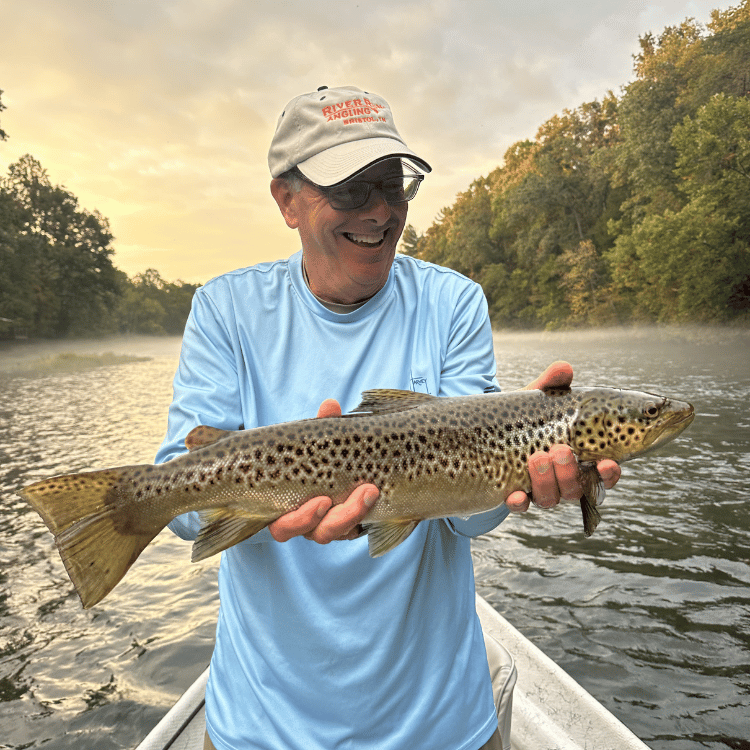
Where to fish
What Most Anglers Get Wrong in Summer
They Overthink Fly Selection
You don’t need a massive fly box.
A handful of well-presented patterns will outfish a perfect match with a poor drift every time.
They Move Too Fast
Anglers often fish through good water without adjusting.
Instead of changing flies, try:
- Adding depth
- Changing your angle
- Slowing your drift
They Ignore Subtle Changes
Cloud cover, light shifts, and slight increases in flow can turn fish on quickly.
If you’re not paying attention, you miss those windows.
Understanding Summer Food Sources
Midges Are Always in Play
Even in the middle of summer, midges are a constant.
Early mornings and low light periods are prime time for:
- Small zebra midges
- Light nymph rigs
Sulphurs Don’t Just Disappear
Early summer can still see sulphur activity, especially during spinner falls.
If you see steady rises late in the day, don’t ignore it.
Terrestrials Take Over Midday
This is where summer gets fun.
Beetles and ants become reliable options, especially when nothing is visibly hatching.
Foam patterns shine here because they’re easy to track and fish cleanly.
You can get a better breakdown of seasonal insect timing in this South Holston hatch chart.
Caddis Can Surprise You
Caddis activity is less predictable but still important.
When they’re moving, fish respond quickly, especially in faster water.
Proven Summer Fly Patterns
You don’t need dozens. Start here.
Dry Flies
- Parachute sulphur (16–18)
- CDC comparadun
- Foam beetles
- Black or cinnamon ants
Nymphs
- Zebra midge (black, olive, red)
- Pheasant tail (small sizes)
- Split case sulphur nymphs
The Go-To Setup
If you want consistency, fish a dry-dropper rig.
It lets you cover:
- Surface feeders
- Subsurface fish
At the same time.
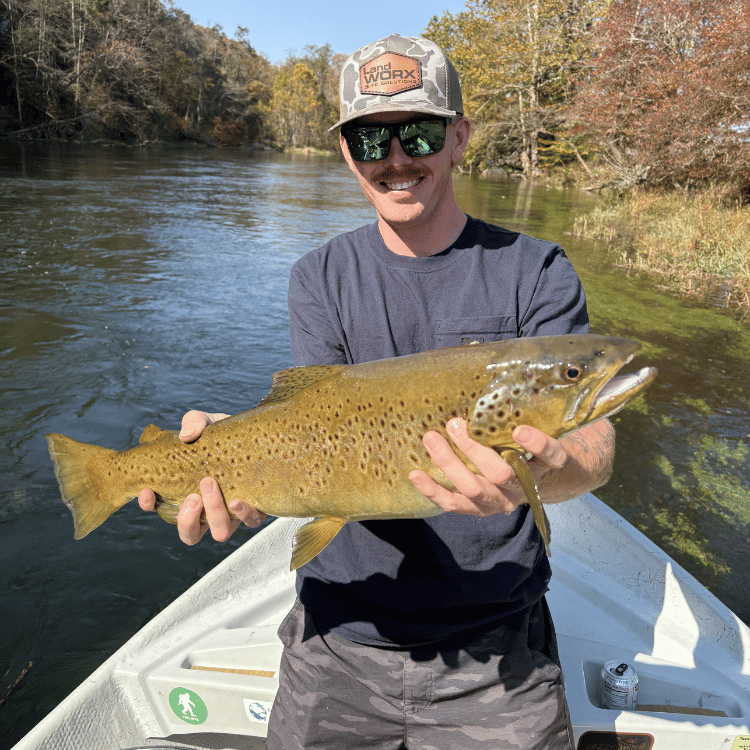
Summer Tactics That Consistently Work
Fish Low Water Like It Matters
When flows are down, fish spread out and become more accessible.
Focus on:
- Shallow riffles early
- Tailouts late
- Clean seams throughout the day
Long leaders and drag-free drifts make the difference here.
Nymphing Still Catches Fish
If nothing is rising, go subsurface.
Depth is everything.
If you’re not ticking bottom occasionally, you’re probably too shallow.
The Dry-Dropper Advantage
This is the most efficient way to fish in summer.
It keeps things simple and gives you feedback. If fish aren’t eating the dry, the dropper often tells the real story.
Adjust When Water Comes Up
When generation starts:
- Fish move toward banks and softer edges
- Faster water becomes less productive
- Safety becomes a real factor
You can review safety considerations directly through TVA’s river safety resources.
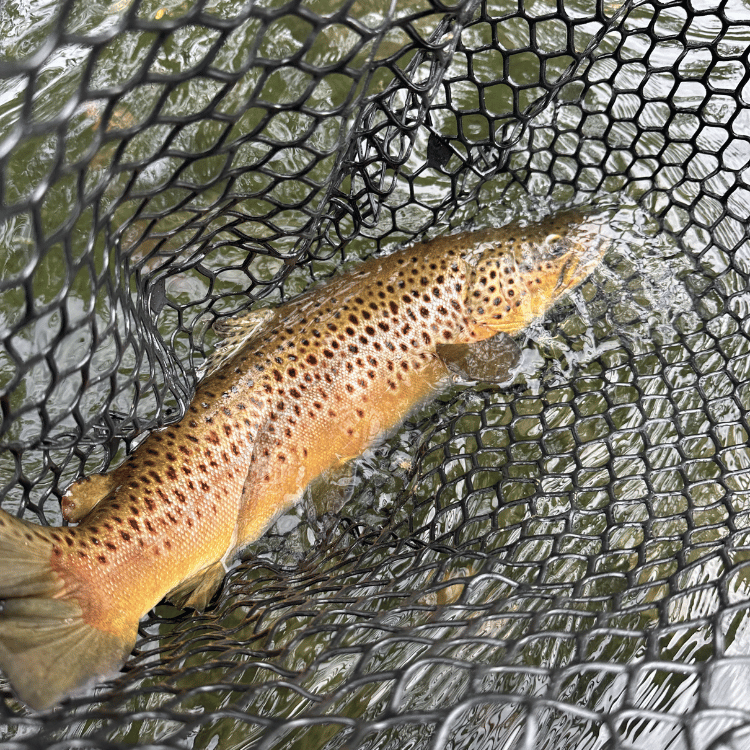
Where Fish Actually Hold in Summer
Early and Late in the Day
Fish push into:
- Shallow riffles
- Oxygen-rich runs
This is when dry fly opportunities increase.
Midday
They slide into:
- Deeper slots
- Structure
- Shade lines
Shade matters more than most anglers think.
Transition Water
Anywhere fast water meets slow water is worth your time.
These seams create natural feeding lanes.
Gear Setup That Makes Life Easier
Keep It Simple
A 4 or 5 weight rod covers most situations.
Longer Leaders Win
Clear water and pressured fish call for longer setups.
Think:
- 9 to 12 foot leaders
- Light tippet when needed
Don’t Overcomplicate Your Rig
Clean setups catch more fish.
Too many adjustments create more problems than they solve.
When to Fish in the Summer
Mornings
Low pressure, active fish, and steady subsurface feeding.
Midday
This is terrestrial time.
Fish beetles and ants along banks and seams.
Evenings
Often the best dry fly window of the day.
Spinner falls and rising fish can create consistent action.
Weekdays vs Weekends
Fishing pressure matters.
If you can, fish during the week. It changes everything.
If You’re New to the South Holston
Start simple.
Use a Dry-Dropper Rig
It covers multiple feeding zones without overthinking.
Focus on Your Drift
Distance doesn’t matter as much as control.
Short, accurate casts beat long sloppy ones.
Expect a Learning Curve
This river rewards patience.
If you stick with it, things start to make sense quickly.
If you want a more structured approach, guided trips on the South Holston River can shorten that learning curve significantly.
Planning Your Trip the Right Way
Know Before You Go
- Check generation schedules
- Understand access points
- Be prepared for changing conditions
What You Actually Need
You don’t need much.
Most trips include:
- Rods and tackle
- Instruction
- Food and drinks
Learn more about what it included on a typical trip.
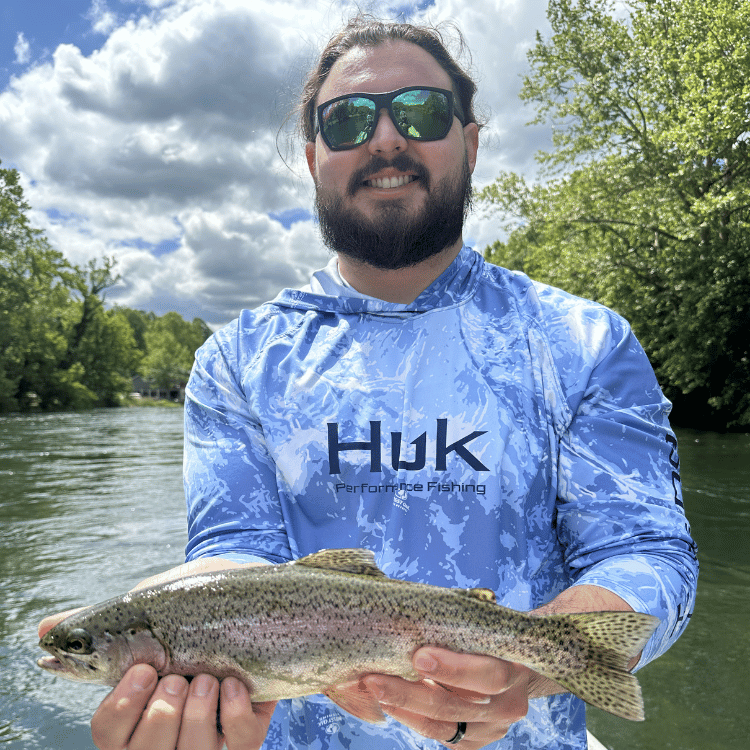
FAQs About Summer Fly Fishing on the South Holston
Is summer a good time to fish the South Holston?
Yes. Fish stay active due to cold water, but they require better presentation and patience.
What flies should I use in July?
Start with beetles, ants, and small nymphs like zebra midges. Adjust based on what you see.
Do trout still rise in hot weather?
They do. Early mornings and evenings often produce consistent surface activity.
How important is the TVA generation schedule?
It’s critical. Water levels change fish location and safety conditions quickly.
Is the South Holston good for beginners?
Yes, especially with guidance. The learning curve is real, but the structure of the river helps.
Do I need a guide?
Not required, but it can save you a lot of trial and error, especially on your first few trips.
Conclusion: It’s Not About More Flies. It’s About Better Decisions
The South Holston in summer doesn’t reward guesswork.
It rewards anglers who slow down, pay attention, and make small adjustments.
You don’t need a complicated system. You need a clear approach.
If you want to skip the trial and error and spend more time actually catching fish, plan your trip and get on the water with someone who knows how this river changes day to day.
