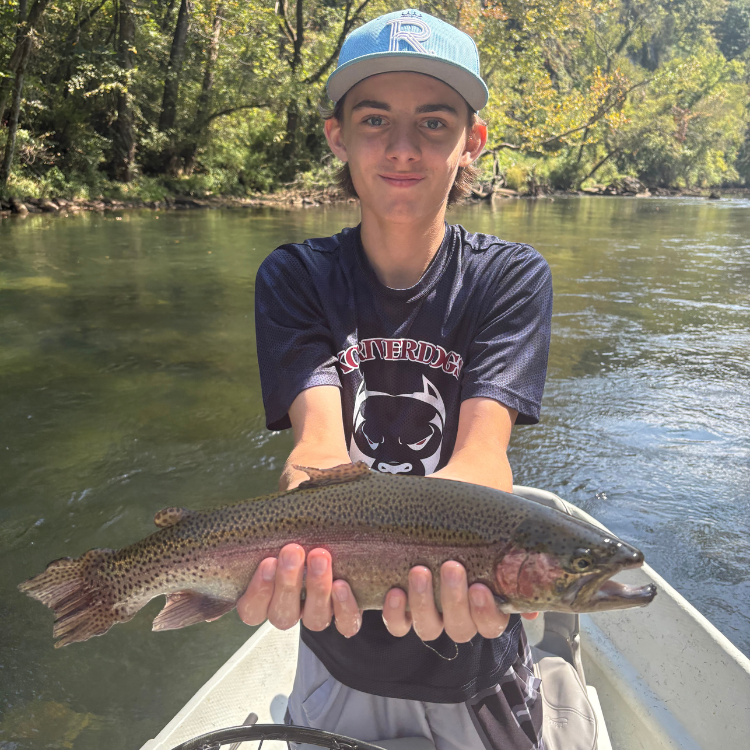
Summer Fly Fishing Watauga River: A Practical Guide to Trout, Dry Flies, and Summer Conditions
A lot of anglers write off summer fishing before they ever get to the river. The assumption is that heat means slow water, stubborn trout, and long stretches of nothing. On freestone streams, that’s often true. But the Watauga River is a tailwater, and that changes things considerably.
Cold water releases keep fish active through July and August. The hatches thin out, the feeding patterns shift, and the approach needs to change with them — but the fish are still there, and they’re still eating.
Why the Tailwater Makes a Difference
Most of what makes summer fishing difficult on other rivers simply doesn’t apply here. The TVA’s controlled releases keep water temperatures stable enough for trout to remain active even during the hottest weeks. That doesn’t mean you can fish the same way you would in April, but it does mean summer isn’t the write-off season some anglers think it is.
Checking the TVA generation schedule before heading out is worth making a habit. Water levels and flows can shift quickly, and knowing what to expect before you leave the truck shapes everything about how you fish that day.
If you’re unsure how releases impact fishing, it’s worth checking the TVA generation schedule before heading out through the Tennessee Valley Authority site.
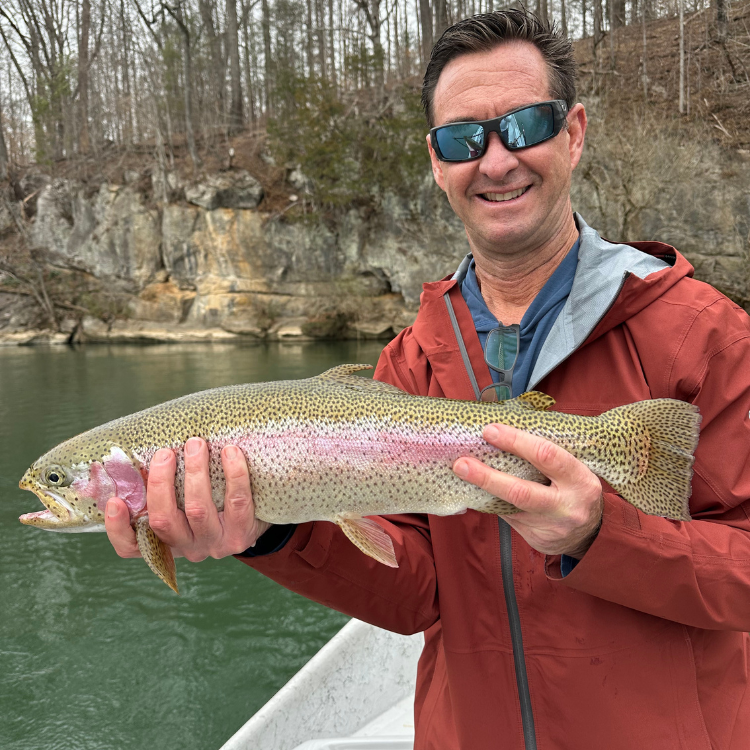
Two Different Rivers
Summer on the Watauga really comes down to two conditions: low water and generation. They fish so differently that treating them the same way is probably the most common mistake anglers make.
During low water, fish get cautious. The clarity tightens up, and presentation becomes critical. Smaller flies, longer leaders, and clean drifts matter more than anything else. Get sloppy and you’ll move fish off their lies before you even get a shot at them.
When generation is running, the dynamic shifts. Fish spread out and become more willing to commit. Heavier rigs reach depth more effectively, larger patterns become viable, and covering water matters more than precision casting.
When Trout Feed and Where They Hold
Summer trout on the Watauga tend to condense their feeding into shorter windows — early morning and late evening are the most consistent. Midday fish are catchable, but they’ve usually moved into deeper runs, faster seams, and shaded stretches of bank. Blind casting over shallow flats in bright sun is rarely productive.
Bigger fish tend to sit deeper and tighter to structure than most anglers expect. A lot of the best lies don’t look like much from the bank, which means they get walked past all day.
Surface Fishing: When It Makes Sense
Dry fly fishing in summer isn’t dead, but it’s situational. Early morning and late evening are your best windows for consistent surface action. During the middle of the day, a fish rising here and there is usually more of an opportunity than a sign that fish are actively looking up.
Terrestrials — hoppers, ants, beetles — tend to outperform hatch-matching patterns through the summer months. The appeal is practical: you’re not waiting on a specific emergence. Bugs fall into the water throughout the day, and trout are conditioned to that. A well-presented hopper in the right spot can produce when nothing else seems to be working.
The mistake most anglers make with dry flies in summer is committing to them too long. If fish aren’t showing on top consistently, switching to subsurface is usually the smarter move.
Nymphing: The Reliable Foundation
When conditions are uncertain or fish aren’t visibly feeding, nymphing is where consistent success comes from. Trout eat subsurface the vast majority of the time, summer included.
A simple two-fly rig is usually enough. In low, clear water, go lighter on tippet and smaller on flies — midges, small mayfly patterns, and caddis larvae all produce. If you’re getting refusals or follows without takes, downsizing is the first adjustment worth making before changing flies altogether.
Weight and depth matter more than pattern selection in most situations. Getting the fly to where fish are holding is more important than having exactly the right imitation.
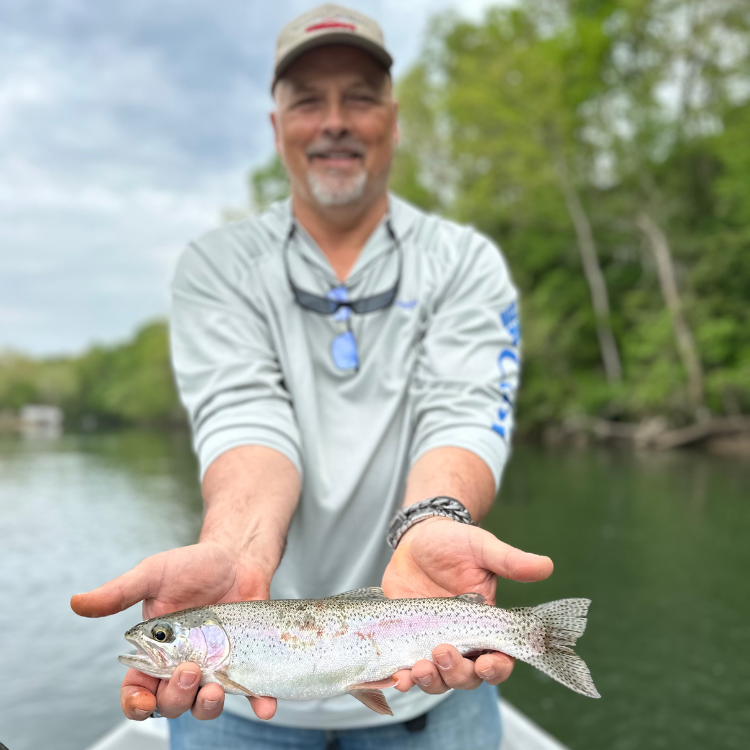
A Few Adjustments That Actually Help
Rather than memorizing a dozen rules, it helps to have a simple decision process on the water.
In low, clear water: slow down, lengthen your leader, stay farther from fish, and focus on clean drifts above everything else. In generation flows: add weight to get deep, target seams and structure, and cover more water. If you’re seeing sporadic rises: try a dry fly but stay mobile and don’t commit to one spot for too long. If nothing is working: adjust depth before swapping flies, then change position before anything else.
Most unproductive stretches on the Watauga come down to depth and positioning, not fly selection. We did come up with a Watauga River hatch chart though to help inform your decisions.
Gear Doesn’t Need to Be Complicated
Lighter setups tend to outperform heavier ones in summer. A longer leader improves presentation and reduces the chance of spooking fish in clear water. Lighter tippet is less visible and gets fewer refusals.
For flies, a practical summer box doesn’t need to be deep. A few terrestrial patterns, a handful of small nymphs, and a few reliable dry flies will cover most situations you’ll encounter. Overloading a box with options often leads to more time second-guessing and less time fishing.
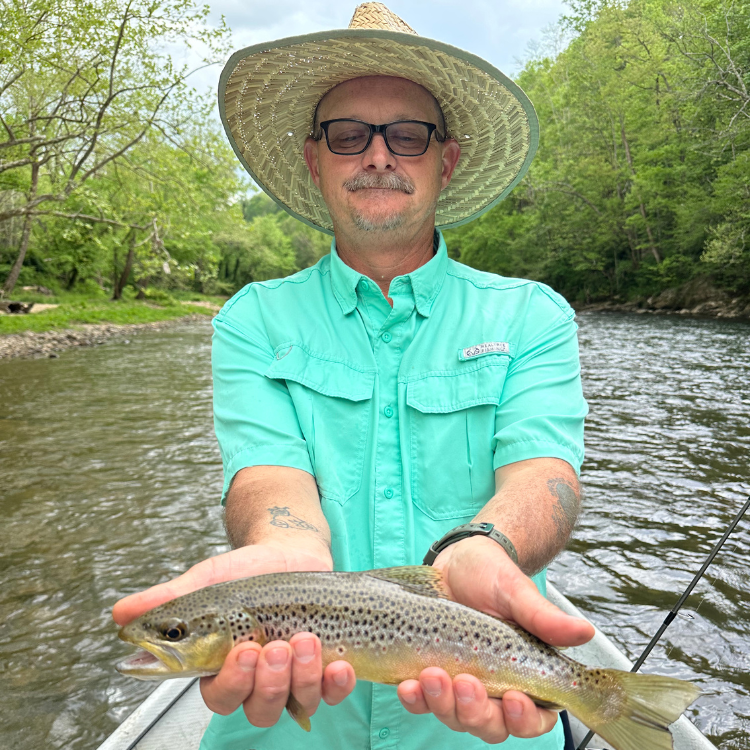
Getting the Most Out of Your Time on the Water
For anglers who are newer to the Watauga — or who want to shortcut the trial and error — fishing with someone who knows the river well can make a significant difference. A knowledgeable local guide can help read water, adapt to conditions as they change, and put you on fish more efficiently than working it out solo. It’s not necessary, but it’s worth considering if you want to get up to speed quickly or simply make the most of limited time on the water.
Final Thoughts
Summer on the Watauga is a different game than spring, but it’s far from a slow season. The fish are there, the water is cold, and the opportunities are real. The key is paying attention to what the river is telling you — water levels, light conditions, where fish are actually holding — and adjusting accordingly. That kind of flexibility is what turns an average summer day into a productive one.
If you want to shorten the learning curve and spend more time fishing productive water, booking a guided fly fishing trip in East Tennessee is often the fastest way to do it.
FAQ: Summer Fly Fishing on the Watauga River
Is summer a good time to fish the Watauga River?
Yes, summer can be productive because consistent water temperatures keep trout active, especially during key feeding windows.
What flies work best in summer?
Terrestrials and small nymphs are often the most reliable choices, with dry flies working during specific times of day.
When is the best time of day to fish?
Early morning and late evening usually offer the most consistent activity.
Can you catch trout on dry flies in summer?
Yes, but success depends on timing and location rather than fishing dries all day.
Do trout stop feeding in hot weather?
No, they adjust their behavior. They often feed deeper or during cooler parts of the day.
Is the Watauga River beginner-friendly in summer?
It can be, especially with guidance. Stable flows and consistent fish populations make it a good learning environment.