
Bass Fishing in Tennessee: Top 7 Rivers for Trophy Smallmouth
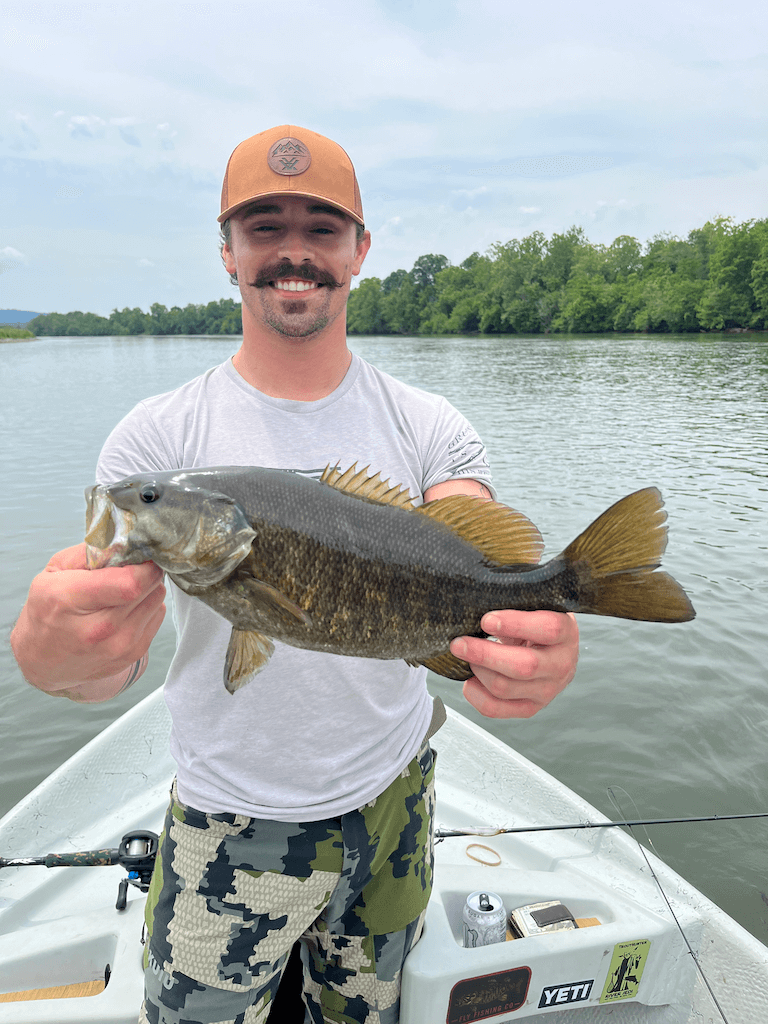
When it comes to smallmouth bass, few states offer the diversity and consistency that Tennessee does. From the clear runs of the Holston to the wide stretches of the Tennessee River, our state is a dream for anyone who loves time outdoors with a rod in hand. Whether you prefer working a fly rod or casting a spinning reel with a favorite lure, Tennessee’s bass fishing opportunities are endless.
We’ve spent countless hours on the water across the area, and what makes bass fishing in Tennessee so special is how different each river system feels. Some hold plenty of smaller fish that keep things lively, while others—like the Holston Proper—are known for producing the kind of trophy smallmouth that test your line and your patience. Below, we’ll highlight seven of the best spots in the state to fish for smallmouth and share the techniques, conditions, and gear that make each unique.
Why Tennessee is a Top Smallmouth Bass Destination
Tennessee is blessed with a mix of tailwaters, freestone rivers, and lakes that provide perfect conditions for smallmouth bass. From East Tennessee’s narrow rivers to the broader sections of the Tennessee River in the west, anglers have a wide range of waters to explore. Our mild weather stretches the season from early spring through late fall, giving people more time to cast and catch quality fish.
Smallmouth thrive in our rocky rivers because of the structure and forage available. Baitfish, crayfish, and aquatic insects keep these waters full of life, drawing in both fish and wildlife. The combination of clean water, steady flow, and strong habitat makes Tennessee one of the best states in the country for anglers looking to hook into a wild smallmouth. With the right gear—whether it’s a sturdy medium-light rod, a reliable reel, or the perfect bait—you can find success just about anywhere.
Top 7 Rivers for Bass Fishing in Tennessee
1. Holston Proper
Below the Fort Patrick Henry Dam, the Holston offers classic smallmouth water—fast runs, shoals, and deep pools where bass hold tight. It’s a true icon among East Tennessee rivers and one of the best places in the state to connect with trophy fish. While it’s not a numbers game, it rewards anglers who know when and where to cast with heavy fish that test every inch of their line.
Learn more about this fishery on our Holston Proper page.
2. French Broad River
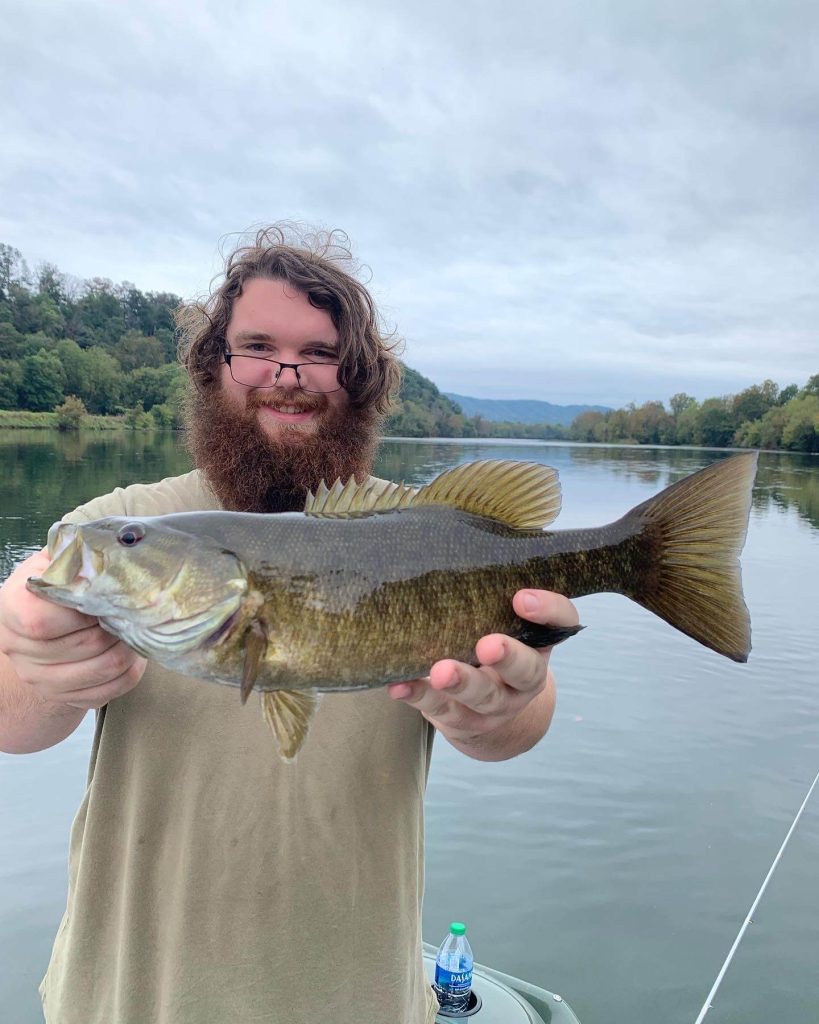
The French Broad winds through rolling farmland and foothills, offering plenty of great spots for bass fishing. Its mix of slow-moving flats and swift riffles gives smallmouth a wide range of habitat. When the weather warms, this river comes alive. Casting a topwater lure or streamer near mid-river structure can trigger explosive strikes from aggressive fish.
3. Nolichucky River
The Nolichucky is wild and powerful—a river that demands attention and rewards effort. With rocky shoals, deep bends, and fast current, it’s a perfect place for smallmouth to ambush bait. Anglers who know how to read the water and adjust their techniques to flow conditions often find this river unforgettable. Bring strong gear and be ready for fish that fight far above their weight.
It’s also worth noting that the Nolichucky underwent significant change in the wake of Hurricane Helene in late September 2024. The storm brought intense rainfall and record flood levels to the watershed, ripping through infrastructure and reworking sections of the river channel. While water-quality testing by the Tennessee Department of Environment and Conservation (TDEC) found that most parameters had returned to pre-storm levels, some turbidity and sediment deposits remain in upper reaches of the watershed. What that means for anglers: after the floods receded, pockets of deeply scoured runs and fresh structure created new hotspots for smallmouth. But some access points and bank areas may look different, so scouting with your boat or wading gear and re-assessing structure is key.
4. Clinch River (Lower Section)
Once the cold water warms below Norris Dam, the lower Clinch becomes a hidden gem for bass anglers. The combination of deep ledges, gravel bars, and long, calm glides creates ideal conditions for smallmouth. Using natural bait or small crankbaits along rocky banks can produce consistent results. On a calm day, working the area from a boat with light tackle can lead to a steady catch.
5. Little Pigeon River
The Little Pigeon offers an intimate fishing experience for anyone who enjoys smaller water and solitude. Flowing through scenic country, it’s perfect for wading and sight-fishing. Smallmouth here respond well to both flies and traditional tackle. A well-placed cast near submerged rocks or downed trees often brings a quick strike. Local anglers love this river for its accessibility and peaceful setting.
6. Elk River
The Elk River’s middle stretches provide some of the most consistent smallmouth action in southern Tennessee. The mix of deeper pools and riffle transitions makes it easy to fish from either the bank or a small boat. When the water is clear, lighter line and natural-colored lures often produce the best results. It’s an excellent river for anglers who appreciate balance—steady current, predictable structure, and reliable fish.
7. Duck River
The Duck River flows for more than 280 miles and holds an incredible range of fish species. While it’s home to plenty of wildlife, the smallmouth bass is the star of the show. Mid-river sections near Columbia and Centerville are full of productive spots where a properly worked lure can make all the difference. The Duck offers both peace and productivity for anglers who love a slower, thoughtful way of fishing.
Seasons and Patterns for Tennessee Smallmouth
Our bass season runs from mid-March through October, with spring bringing pre-spawn movement and fall offering some of the biggest fish of the year. Early spring calls for slower techniques with weighted bait or streamers, while summer and early fall are perfect for surface action.
Weather patterns play a major role—cloud cover, water temperature, and flow all influence how fish feed. When the weather cools slightly after a long summer stretch, topwater fishing can be incredible across much of the state. Each river has its own rhythm, but adjusting your presentation and gear to match the conditions is the best way to stay consistent.
Fly vs. Spin Fishing
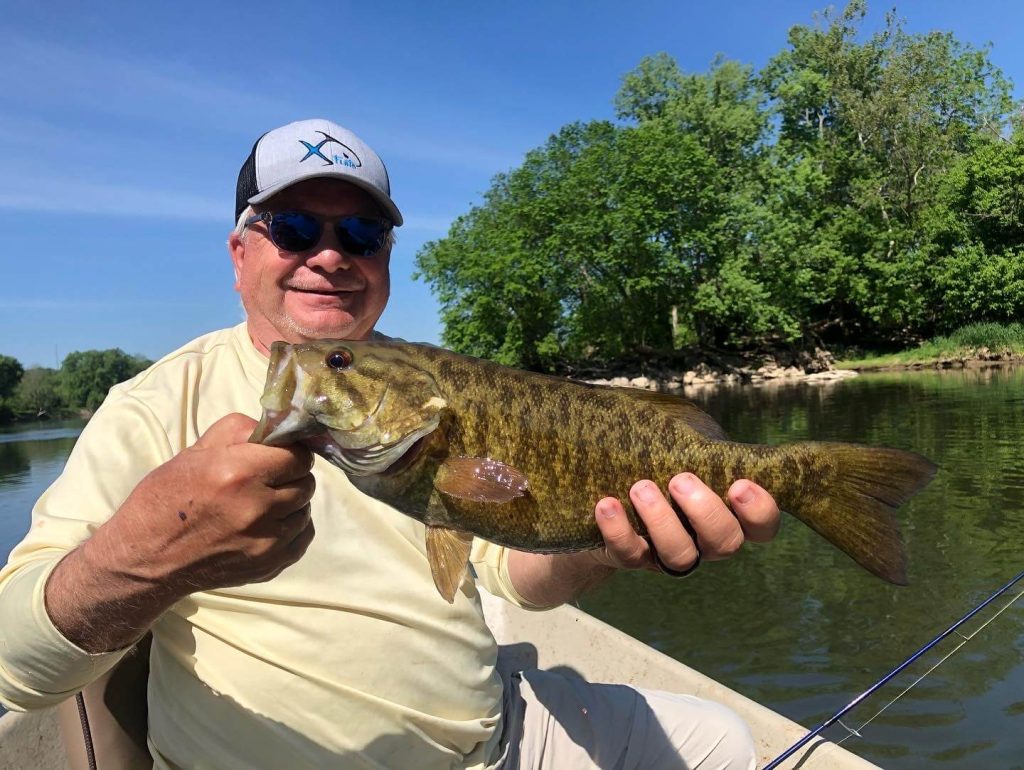
Whether you’re casting a fly or working a soft plastic, Tennessee smallmouth demand precision. Fly anglers often reach for poppers, streamers, and crayfish patterns to match local forage. Spin anglers rely on lightweight gear, sensitive rods, and lures that imitate native bait species. Both techniques can be deadly effective—what matters most is timing, location, and how you present your offering.
We love seeing people develop their own rhythm on the water. Every cast is a chance to learn something new about how these fish respond. That’s part of what makes smallmouth fishing here so addictive: the challenge and the reward are always within reach.
Planning a Trip
Before heading out, check local regulations and make sure your Tennessee fishing license is up to date. Bring a mix of gear that covers deep and shallow water—different rods, reels, and lines give you more ways to adapt to changing conditions. Keep an eye on water levels and flow rates, and always be mindful of safety when launching or drifting in a boat.
If you’re new to the area or looking to explore new water, connecting with local guides can save a lot of guesswork and put you on productive sections quickly. For more details about fishing opportunities and planning your next trip, feel free to contact us.
More Resources
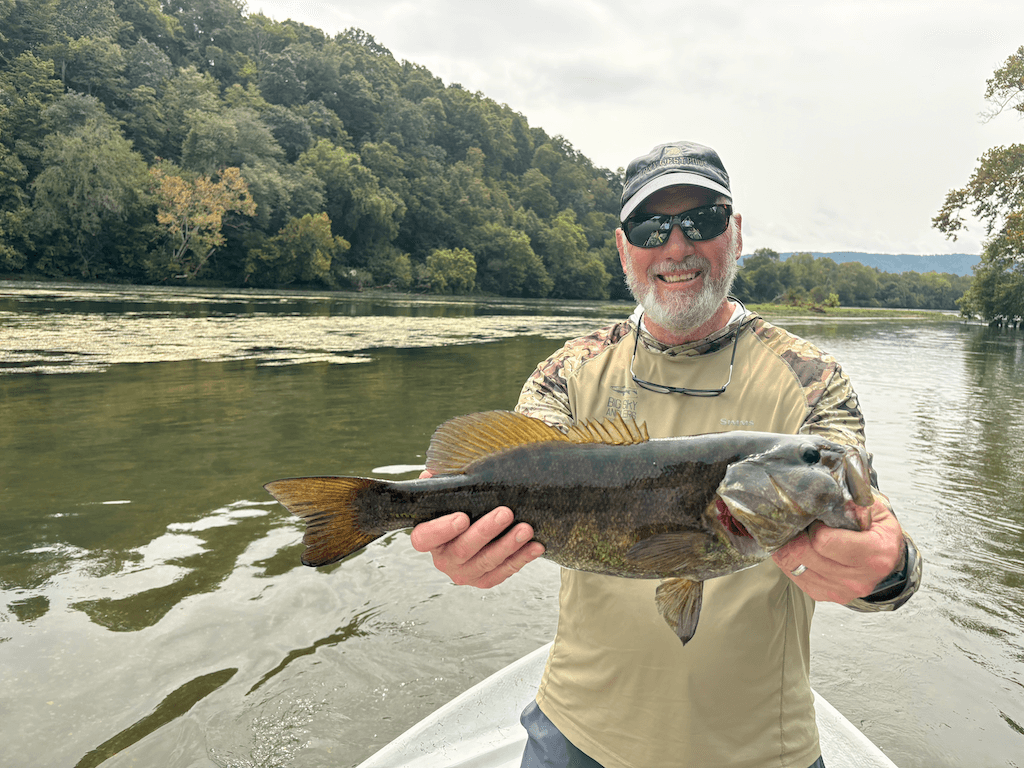
If you’re interested in exploring more of Tennessee’s diverse fisheries, check out our Tennessee Fly Fishing: Top 7 Places article. Between trout tailwaters, freestone streams, and incredible smallmouth rivers, Tennessee offers some of the best freshwater fishing in the country. We’re grateful to share these waters and help more people experience what makes our home state such a special place to fish.

