
Fly Fishing vs Spin Fishing: Which One Makes the Most Sense for Your Day on the Water?
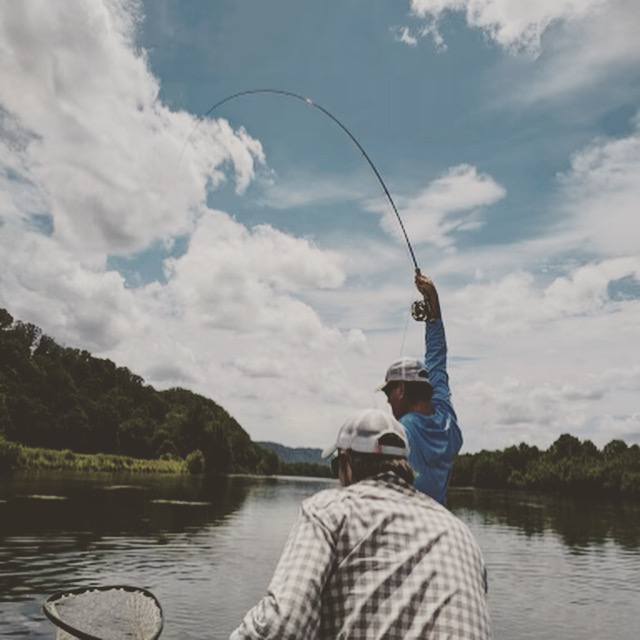
One of the most common questions anglers ask, especially when planning a trip, is fly fishing vs spin fishing….which one is better?
The honest answer is that neither method is better across the board. They’re simply different tools, and like any good tool, each one shines under specific conditions. Understanding those differences helps anglers make better decisions, catch more fish, and ultimately enjoy their time on the water more.
Whether you’re fishing technical tailwaters like the South Holston and Watauga, or chasing aggressive smallmouth on the Holston Proper, choosing the right approach matters.
The Real Difference Between Fly Fishing and Spin Fishing
At its core, the difference between fly fishing and spin fishing comes down to presentation versus efficiency.
Fly fishing relies on the weight of the fly line to deliver lightweight flies that imitate insects or small baitfish. Because of this, fly fishing places a heavy emphasis on drift, depth control, and natural movement — especially in moving water.
Spin fishing, on the other hand, uses the weight of the lure or bait to make the cast. It’s generally more straightforward, more forgiving, and often more efficient when you need to cover water or fish deeper structure.
Neither method is “right” or “wrong.” They’re simply designed to solve different problems on the river.
Where Fly Fishing Really Shines
Fly fishing tends to excel in clear, moving water, especially when fish are feeding selectively. Tailwaters like the South Holston River are a perfect example.
When trout are keyed in on midges, Blue Winged Olives, sulphurs, or caddis, fly fishing allows anglers to control drift and speed in a way that’s difficult to match with other gear. Small adjustments to leader length, weight placement, or fly size can make a major difference on pressured fish.
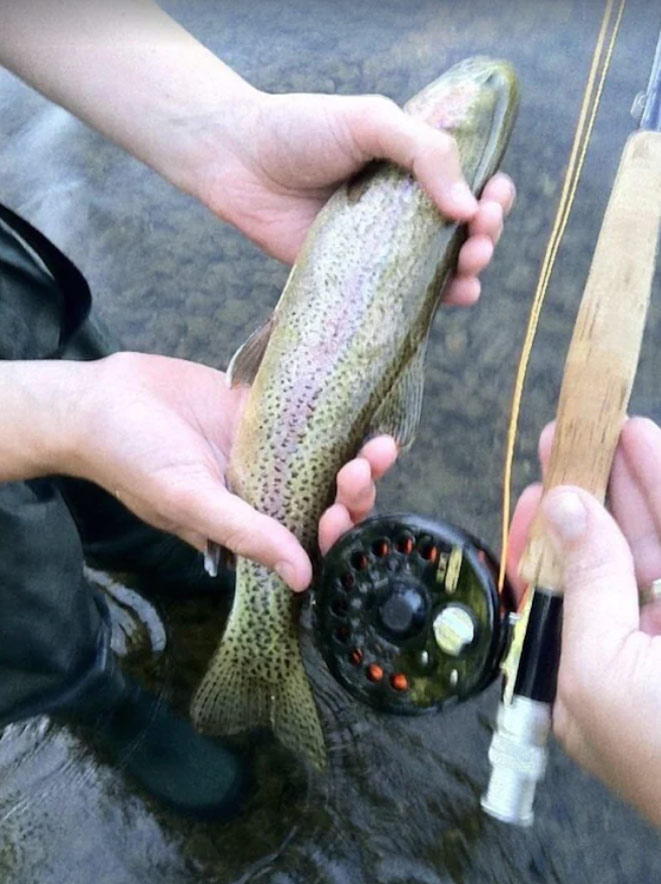
Fly fishing is particularly effective when:
- Water is low and clear
- Trout are feeding on insects near the surface or in the film
- Fish are holding in consistent seams or runs
- Presentation matters more than distance
That level of control is one reason fly fishing is so popular on technical rivers like the South Holston and Watauga.
Where Fly Fishing Can Be Challenging
That same precision comes with a learning curve.
Fly fishing can be more difficult in heavy wind, during high water, or when fish are scattered across large stretches of river. It also requires more time to learn casting mechanics, line control, and rigging systems.
For anglers brand new to fishing — or those more interested in action than technique — fly fishing can sometimes feel overwhelming without guidance.
Why Spin Fishing Is So Effective
Spin fishing is often the most efficient way to fish, especially when conditions aren’t perfect.
Because spinning gear relies on the weight of the lure, anglers can cast farther, fish deeper, and cover water more quickly. This makes it an excellent option for targeting aggressive fish or exploring unfamiliar water.
Spin fishing tends to excel when:
- Water is high or slightly stained
- Wind makes fly casting difficult
- Fish are chasing baitfish
- You want a simpler, more intuitive setup
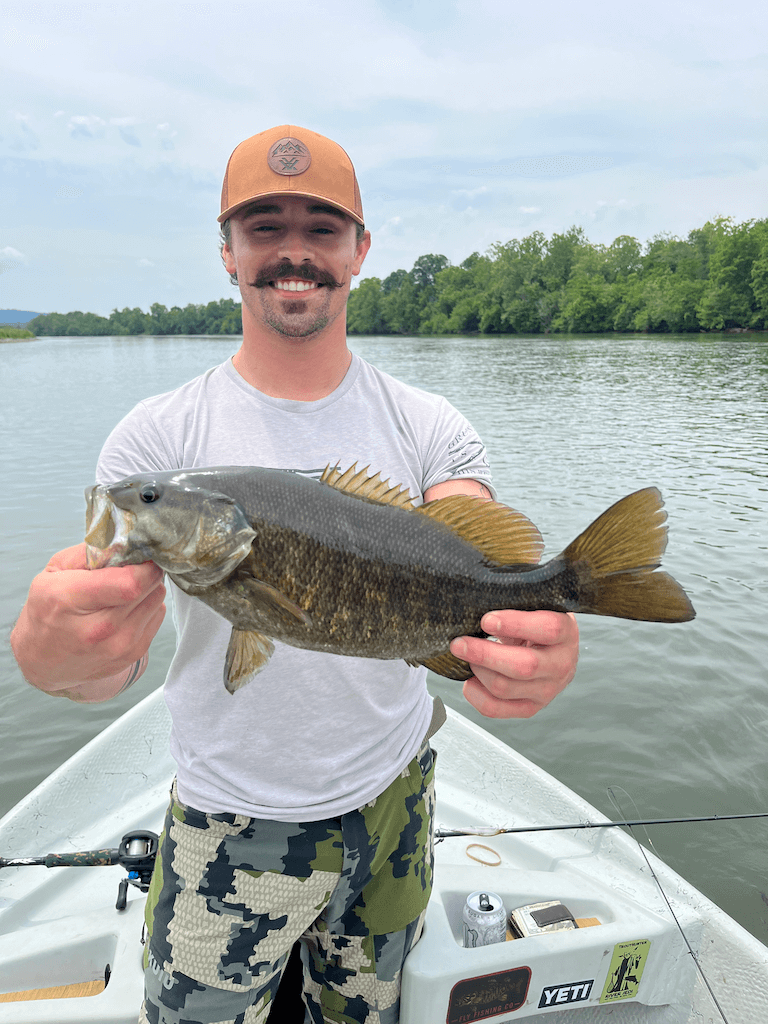
On rivers like the Holston Proper, spin fishing is extremely effective for smallmouth bass, especially when fishing soft plastics, crankbaits, or topwater lures during the warmer months.
Spin Fishing on Tailwaters: When It Works (and When It Doesn’t)
Spin fishing can absolutely catch trout on tailwaters, but conditions matter.
During higher flows or colder water temperatures, spinning gear can be very effective. As water clears and trout become more selective, presentation becomes more important — and that’s where fly fishing often gains the advantage.
On the Watauga River, for example, spinning tackle can work well during certain flow windows, but fly fishing typically offers better drift control when fish are feeding selectively in slower water.
Fly Fishing vs Spin Fishing for Trout
For trout, the decision often comes down to what the fish are eating and how selective they are.
Fly fishing tends to be the better option when trout are feeding on insects and require a natural presentation. Spin fishing can be highly effective when trout are feeding aggressively on baitfish or when water conditions reduce visibility.
Many anglers find success using both methods throughout the year, adjusting based on flows, water clarity, and seasonal behavior.
Fly Fishing vs Spin Fishing for Smallmouth Bass
Smallmouth bass are far less selective than trout, which makes both methods excellent options.
Fly anglers often enjoy targeting smallmouth with streamers and poppers, especially during topwater season. Spin fishing shines when covering structure, fishing deeper runs, or searching for active fish.
On the Holston Proper, the “best” method often changes throughout the day, depending on light, water temperature, and fish behavior. It still stands out as a premier location for bass fishing in Tennessee.
Which Method Is Better for Beginners?
For anglers just getting started, spin fishing usually offers a faster path to success. The gear is simpler, casting is easier to learn, and results often come more quickly.
That said, fly fishing can absolutely be learned as a beginner — especially with professional instruction. A guided trip can dramatically shorten the learning curve and help new anglers understand fundamentals like reading water, presentation, and fish behavior.
Can You Fish Both? Absolutely.
Many experienced anglers aren’t locked into one method. They choose the approach that best fits the conditions and their goals for the day.
Some days call for delicate fly presentations. Other days reward efficiency and coverage. Being flexible allows you to adapt instead of forcing one style to work when conditions don’t support it.
Fly Fishing vs Spin Fishing: Final Thoughts
There’s no winner in the fly fishing vs spin fishing debate — only better choices for specific situations.
Fly fishing offers unmatched presentation and control in technical water. Spin fishing provides versatility, efficiency, and accessibility. Understanding when to use each method leads to better fishing and more enjoyable days on the river.
If you’re unsure which approach fits your trip, conditions, or experience level, working with a guide can remove the guesswork and help you make the most of your time on the water.
