
Best Time of Year to Fish the Watauga River
Most guides to Watauga River seasonality will tell you May and June are the best months and leave it there. That can be true depending on what you’re looking for, but it’s not the whole picture. The Watauga fishes well from March through October, and treating anything outside the sulphur hatch as an afterthought means missing some genuinely good water. Here’s what each season actually looks like, and how to think about timing based on what you actually want out of the trip.
What Drives Good Fishing on the Watauga
Before getting into month-by-month specifics, it helps to know what actually determines a good day on this river. Two things matter more than the date on the calendar: water conditions and hatch activity.
Water temperature affects how active trout are and where they hold. Cooler water in early season and again in fall tends to keep fish comfortable and feeding steadily through more of the day. Warmer summer water shifts the best action toward early morning and evening.
Generation from TVA also plays a role in whether a day is better suited to wading or floating. This is something we watch closely and plan around trip by trip. It is not something that runs on a fixed daily or seasonal pattern, so we check current conditions before every outing rather than relying on a general assumption about what the river “usually” does that time of year.
Hatch activity is the third piece. When bugs are active, trout are looking up, and that changes both technique and timing. The Watauga’s sulphur hatch is the clearest example of this, and it’s worth its own section.
The Sulphur Window: Late Spring Into Early Summer
If there’s one stretch of the year most anglers ask about by name, it’s the sulphur hatch. On the Watauga, sulphurs peak in May and June, and this is one of the more productive windows for dry fly fishing on this river.
During this stretch, trout key in on sulphur mayflies during the hatch, which typically means strong activity in the evening as bugs come off the water. Matching the hatch matters more here than at other times of year. Guides who fish this river regularly know the difference between a good sulphur evening and a great one often comes down to reading water conditions and timing the float around when bugs are actually coming off, not just showing up because the calendar says June.
This is also one of the busier booking windows, so if you’re set on fishing during peak sulphur activity, it’s worth reaching out early. You can see the seasonal hatch breakdown in more detail on our hatch chart guide, which covers what’s active month to month beyond just sulphurs.
Spring on the Watauga
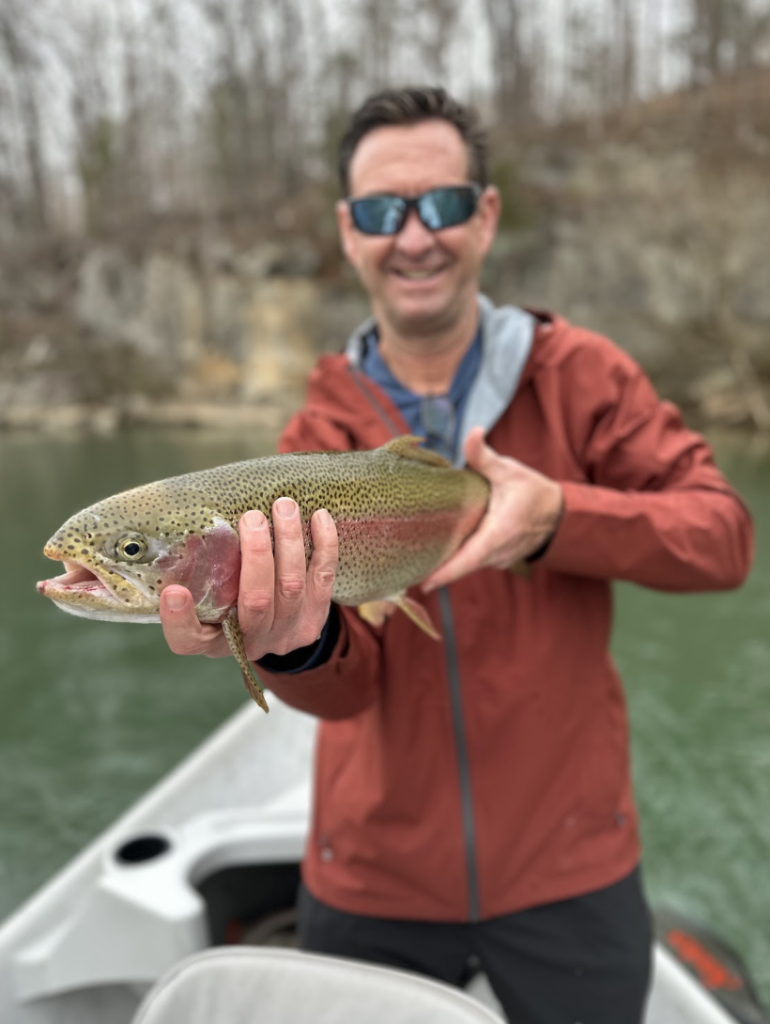
Early spring, generally March into April, tends to be a quieter season on the water in terms of crowds, even though the fishing itself can be solid. Water is typically cooler this time of year, which often means fish are willing to feed through more of the day rather than concentrating activity into a narrow window.
This stretch is a reasonable choice if you’re looking for a less crowded trip and don’t mind slightly cooler mornings on the water. It’s also a good time to build foundational skills if you’re newer to fly fishing, since the pace tends to be less frantic than peak season.
Summer on the Watauga
Once the sulphur window winds down heading into July and August, summer fishing on the Watauga shifts. Warmer water temperatures push a lot of the best activity toward early morning and evening, with midday often slower.
This is where strategy matters more than it might during spring or the sulphur window. A guide will typically plan a summer trip around cooler parts of the day rather than fighting through the heat in the middle of the afternoon. If you’re flexible on start times, summer can still produce a strong day. If you’re locked into a midday slot, it’s worth setting expectations accordingly.
Fall Fishing: The Underrated Season
Fall doesn’t get talked about as much as the sulphur window, and that’s honestly a missed opportunity for a lot of anglers. As water cools again heading into September and October, conditions often start to resemble spring, with fish willing to feed more consistently throughout the day.
Fall also tends to be a quieter time to book. Fewer people are thinking about fishing once summer ends, which means better availability and often less pressure on the water. If you’ve got flexibility in your schedule and don’t need it to be a specific month, fall is worth serious consideration.
Common Misconceptions About Watauga Timing
A few assumptions come up often enough that they’re worth addressing directly.
The first is that there’s a single “best” month. There isn’t, not really. May and June get the attention because of the sulphur hatch, and for good reason, but that doesn’t mean the rest of the season is a consolation prize. It means different months are good for different kinds of days.
The second misconception is that TVA generation follows a predictable schedule you can plan around months in advance. It doesn’t work that way. Generation can affect water levels and clarity, which is exactly why we check current conditions before each trip rather than telling clients “the water always runs like this in July.” Anyone who tells you generation is predictable on a daily or seasonal basis is giving you more certainty than the actual system provides.
How to Actually Decide When to Book
Instead of asking what month is best, it’s usually more useful to ask what kind of day you want.
If dry fly fishing during an active hatch is the priority, the May through June sulphur window is hard to beat, and it’s worth booking early since it fills up. If you want a quieter trip with fewer other anglers around, spring or fall tend to fit better. If your schedule only allows for summer, that’s still a good trip. It just means planning around morning or evening rather than the middle of the day.
Flexibility on dates tends to matter more than picking one specific month. If you can work with a guide’s suggestion on timing based on current conditions rather than locking into a date six months out, you’ll generally end up with a better day on the water.
If you’re ready to plan a trip, our guided services page breaks down float and wade options so you can see what fits your schedule and goals. And if you’re planning a multi-day visit, pairing your trip with a place to stay is worth looking into through our lodging partners.
Frequently Asked Questions
When is the Watauga River fishing season?
The Watauga generally fishes well from March through October. Conditions and strategy shift throughout that window, but the river doesn’t have a short “on” season the way some fisheries do.
What is the best month to fish the Watauga River?
May and June stand out because of the sulphur hatch, which brings strong dry fly activity. That said, spring and fall offer quieter trips with solid fishing, and summer can still produce good results if you plan around cooler parts of the day.
Does TVA water release affect Watauga fishing?
Yes. Generation affects water levels and conditions, which influences whether a day is better suited to wading or floating. It isn’t on a fixed schedule, so conditions are checked ahead of each trip rather than assumed in advance.
Can you fish the Watauga in winter?
Winter fishing wasn’t part of the season window covered here. If you’re considering a winter trip, it’s worth checking directly on current conditions and availability.
Is the Watauga good for beginners in any particular season?
Quieter, less crowded stretches like early spring or fall can be a comfortable starting point for newer anglers, since the pace is generally less rushed than peak booking season.
How far in advance should I book for the sulphur hatch?
Given how much attention the May through June window gets, booking as early as possible gives you the best shot at your preferred dates.
Ready to Plan Your Trip
There’s no wrong time to fish the Watauga, but there is a right time for what you’re actually after. If you want the energy of an active hatch, the sulphur window is worth planning around. If you’d rather have quieter water and a slower pace, spring or fall might suit you better.
The best move is talking through what you want out of the day and letting that guide the timing, rather than the other way around. Reach out and we’ll help you figure out when to book based on what you’re actually hoping to get out of the trip.
