
Best Times to Fish the South Holston River (And What Changes Each Season)
The South Holston is a productive fishery twelve months a year, and the real question isn’t just when to go. It’s what you want out of the trip, and which season delivers exactly that.
The river runs roughly 15 miles below South Holston Dam near Bristol, Tennessee. Because it’s a bottom-release tailwater, the water stays cold and oxygen-rich year-round, which is why wild brown trout thrive here in numbers and sizes you don’t find in most Southeast rivers. But cold, stable water is only part of the picture. The Tennessee Valley Authority controls dam releases for power generation and flood control, and those releases shape daily fishing conditions more than any other single variable. Understanding how the seasons interact with TVA generation is the difference between a great day and a frustrating one.
This guide covers what each season actually looks like on the South Holston, from early spring BWOs through winter midges, including how flows affect wade and float fishing and what River Run guides plan around when booking trips. If you want to skip ahead to a specific time of year, the sections below are organized accordingly. If you’re still deciding when to book, read through. You might find the answer isn’t the one you were expecting. You can also review more on the South Holston River for a full overview of what the river offers throughout the season.
How TVA Generation Shapes Every Season
Before getting into seasonal patterns, it helps to understand what makes the South Holston behave the way it does. The TVA dam releases vary throughout the day and week based on power demand. When generation is low, the river runs at minimal flow, often well under 100 cubic feet per second. The water gets low, clear, more technical, and. We typically advise that you need long leaders, lighter tippet, and precise presentation to get consistent results.
When generation ramps up, flow increases significantly and wading becomes unsafe in most sections. That’s when a drift boat makes the most sense. Trout push toward softer seams and feeding lanes along the banks, and a float covers water in a way wade fishing simply can’t.
The TVA publishes daily generation schedules, and you can check current release data on the TVA Lake Info app before heading out. Our guides stay up to date on generation schedules when planning every trip. Knowing what the river is doing at 6 AM often determines whether the morning is spent wading flats or floating runs.
Spring Fishing on the South Holston (March Through May)
Early Spring: Before the Sulphurs
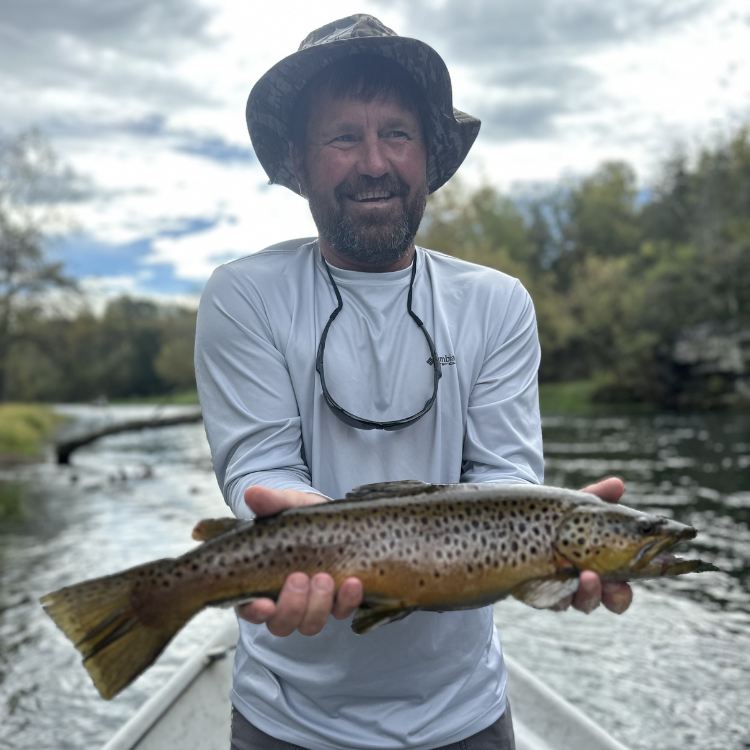
March is one of the more underrated months on the SoHo. Blue-winged olives are active when cloud cover moves in and water temps start creeping up from their winter lows. Midges continue to produce surface action, particularly in the late morning window before generation picks up for the day. Nymphing remains the most consistent approach for numbers early in the month.
Brown trout come out of their fall spawn in relatively good shape by March, and the fish that show up in this window can be surprisingly large. There are fewer anglers on the river compared to peak season, generation schedules tend to be more predictable, and the fish haven’t seen much pressure since the prior fall. It’s worth booking earlier than most people think.
May and the Sulphur Hatch
The sulphur hatch is the event most anglers plan around, and there’s a good reason for that. By May, sulphur mayflies are hatching consistently across the river, and trout are rising on dry flies with a regularity that makes this one of the most reliable dry fly windows anywhere in the Southeast. Evening hatches are particularly productive, with fish keyed on the surface for extended periods.
May is also one of the best months to introduce first-time fly anglers to dry fly fishing. The hatch is predictable enough that a beginner can see exactly what’s happening and understand the connection between insect activity and fish behavior. That kind of real-time teaching doesn’t happen as naturally in other seasons.
Spin anglers also do well in spring. Active trout feeding near the surface often respond to light spinning presentations, particularly in the early morning before hatches peak.
Summer Fishing (June Through August)
The Sulphur Hatch Continues
One important thing to note is that the sulphur hatch doesn’t end in June. Sulphurs can remain active on the SoHo from May through October. Summer is not a gap between hatches, but it’s more of a continuation of the most productive dry fly window of the year, with some shifts in timing and presentation.
The key adjustment in summer is fishing the cooler parts of the day. Mid-afternoon in July can push air temps into the 90s, and while the tailwater stays cold below the surface, fish do settle into slower feeding windows during peak heat. Early morning and evening produce the most consistent action. Evening sulphur hatches in late June, and July can be excellent, especially in the lower stretches of the river.
Terrestrials become increasingly relevant from late June onward. Hopper-dropper rigs work well when fish aren’t locked onto the hatch, and beetles and ants produce surface takes in summer conditions that can surprise anglers who assume it’s all about mayflies.
Float or Wade in Summer?
Summer generation patterns on the South Holston typically mean higher flows during peak power demand hours, which in practice often means morning generation followed by lower afternoon flows, though this varies by day. We try to plan trips around what the river is actually doing, not just a fixed schedule.
Because we offer both guided float trips and wade trips, summer clients aren’t locked into one approach. A float is the right call when flows are up. Wade fishing works well during low-flow windows and gives access to specific runs and structure that a boat drifts past. Learn more about our guided float and wade trips.
Fall on the South Holston (September Through November)
Trophy Brown Trout Season
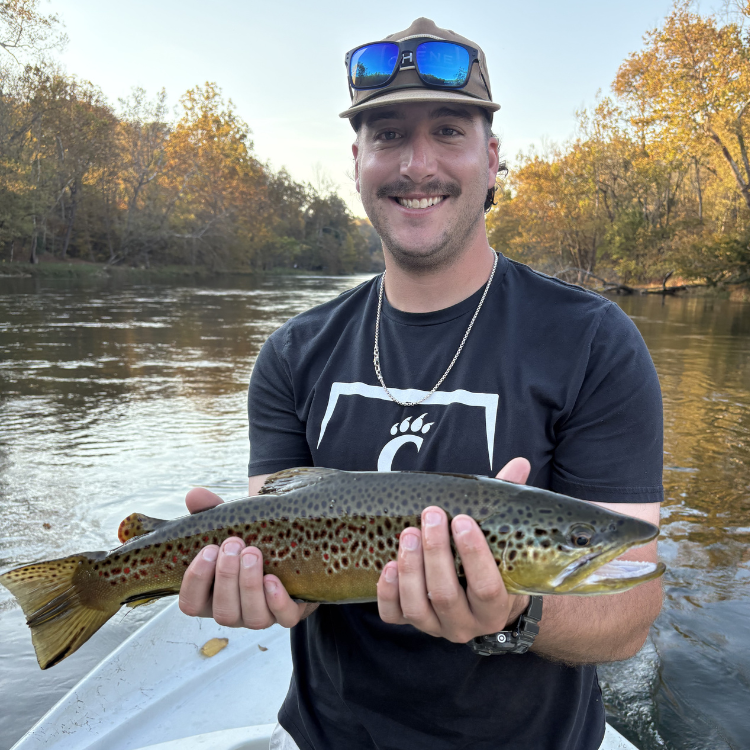
Fall is when experienced anglers who know this river start paying close attention. Brown trout from Boone Reservoir migrate upstream toward spawning grounds in October and November, and the fish that move through during this window are often the largest of the year. Streamer fishing and egg patterns produce trophy fish, and the SoHo’s reputation for outsized browns is largely built on what happens in this two-month stretch.
BWOs pick back up as water temps cool in September and October, giving dry fly anglers another strong window before the hatch cycle winds down. Sulphurs continue into early October on the South Holston, which means fall can offer overlapping opportunities: rising fish on dries in the morning and streamer fishing for big browns in the afternoon.
Why Fall Is Often Overlooked
This is probably the most underbooked season on the river relative to what it delivers. A lot of anglers assume the best fishing ends with summer, so fall dates have more availability than spring while the fishing quality is arguably just as good, and in some ways better for anglers targeting size over numbers.
The fall foliage along the SoHo corridor is also worth noting. The river runs through some genuinely scenic country, and October on the water is about as pleasant as East Tennessee gets. If you want to see what the hatch cycle looks like month by month, the South Holston River hatch chart covers the full season in detail.
Winter Fishing on the South Holston (December Through February)
Winter on the South Holston isn’t something every angler wants, but for the right person it’s very rewarding. Midge hatches are the primary driver of surface activity from December through February. On warmer afternoons, especially when cloud cover keeps air temps from dropping too fast, midges can bring fish up in numbers that catch winter anglers off guard.
BWOs also appear on mild winter days, particularly in December and early January. Nymphing with small flies under an indicator is the most consistent winter technique, but fish are feeding throughout the day in winter rather than just during morning and evening windows, which changes the planning calculus a bit.
Winter fishing requires patience and technical precision. It’s not the season for a first-timer looking for fast action. But for a willing angler who wants the river to themselves, cooler weather, and the kind of quiet that’s hard to find in peak season, a January or February day on the SoHo can be hard to beat.
Fly Fishing vs. Spin Fishing by Season
Most guides on the South Holston operate fly-only. We don’t, and that distinction matters when you’re planning a trip with mixed experience levels or simply prefer spinning tackle.
Fly fishing generally shines brightest during active hatch windows, when fish are keyed onto specific insects and presentation and drift matter a lot. Spin fishing with light tackle works well year-round for anglers who want consistent action without the technical overhead of matching the hatch. Spring and fall, with their higher fish activity and more forgiving conditions, tend to produce well on both approaches. Summer technical fishing during low, clear water is where fly gear and refined presentation make the biggest difference. If you’re still deciding which approach fits your trip, the fly fishing vs. spin fishing guide for East Tennessee rivers covers the tradeoffs in plain terms.
How to Plan Your Trip Around the Season
A few practical notes before you book.
Spring dates fill the fastest, particularly May and early June. If you have a specific window in mind, reaching out earlier rather than later is the right call. Fall dates tend to have more flexibility, and winter has the most availability. If you’re trying to time a trophy brown trout trip, October and November are worth prioritizing even though fewer people think to book them.
Float trips make the most sense when generation is running. Wade trips are better suited to low-flow conditions and work well for anglers who want to spend time working specific water. River Run plans every trip around current generation schedules, and all-inclusive trips cover rods, tackle, casting instruction, an entomology briefing, and food for the day so you can focus on fishing rather than logistics.
Military, law enforcement, and first responders receive a Heroes discount on guided trips. For licensing requirements before your visit, the TWRA fishing license page covers everything you need to know before hitting the water.
Frequently Asked Questions
What is the best month to fish the South Holston River?
May is the most commonly recommended month because the sulphur hatch is peaking and trout are feeding actively on dry flies throughout the day. That said, October and November are genuinely excellent for anglers targeting large brown trout, and the river fishes well year-round for those willing to adjust technique to conditions.
Does the South Holston River fish year-round?
Yes. The South Holston is a tailwater fishery fed by cold bottom-release water from South Holston Dam, which keeps water temperatures in a productive range even in summer and winter. Hatches, techniques, and prime fishing windows shift by season, but there is no dead period on this river.
How does TVA generation affect fishing on the South Holston?
TVA generation controls flow levels on the river throughout the day. During low generation, the river runs shallow and clear, making it ideal for wading but requiring more technical presentation. When generation increases, water rises and wading becomes unsafe in most sections. That’s when float trips produce the best results. Checking the TVA generation schedule before you go is a standard part of trip planning on this river.
What flies work best on the South Holston?
Sulphur patterns are the most important flies on the South Holston from May through October. BWOs and midges cover the winter and early spring windows. Caddis are relevant in spring, and terrestrials like hoppers, beetles, and ants become useful from late June through August. Specific sizes vary as the season progresses, sulphurs tend to run larger in early spring and smaller later in the summer.
Is the South Holston River good for beginner fly fishers?
Yes, with the right guidance. The river’s consistent hatches and variety of water types make it a great learning environment, though it is a technical fishery and beginners who come without instruction often struggle. River Run includes casting lessons and an entomology briefing on every guided trip, which makes a meaningful difference for first-timers who want to actually understand what’s happening on the water.
What’s the difference between a float trip and a wade trip on the South Holston?
A float trip covers more water and makes the most sense when TVA generation has flows up. A drift boat allows guides to position clients in productive runs that aren’t accessible from the bank. Wade trips put you in the water and work well during low-flow periods when the river is calm enough to move through safely. Both approaches can produce excellent results. The right choice depends on generation conditions on a given day and what kind of experience you’re after.
Ready to Pick Your Season?
The honest answer to when you should fish the South Holston is: it depends on what you’re after. Spring and early summer give you the most reliable dry fly action and the best conditions for learning. Fall delivers the best shot at a trophy brown trout. Winter offers solitude and a technically rewarding day for experienced anglers. And summer, which most people assume is a slow period, keeps producing on this tailwater in ways that consistently surprise people who haven’t fished it before.
River Run Angling guides the South Holston year-round and plans every trip around current conditions, TVA schedules, and your experience level. Whether you prefer fly fishing, spinning tackle, or you’re not sure yet, we’ll put you in the right position for the day. Reach out to plan your trip or give us a call.
