
Float vs Wade Fishing on the South Holston River: How to Choose the Right Trip
Every angler heading to the South Holston asks some version of the same question before they even book a trip. Float or wade? It sounds like a simple preference, but on this river it’s rarely that simple. The water itself often makes the call before you do.
If you’ve fished tailwaters before, you already know why. Generation levels change what’s safe, what’s productive, and what kind of day you’re actually going to have. A guide who’s spent real time on this river doesn’t pick float or wade based on habit. They pick based on what the South Holston is doing that morning, what you’re hoping to get out of the trip, and how comfortable you are on your feet in moving water.
This guide breaks down what each trip type actually involves, how conditions shape the decision, and how River Run guides think through it before every float or wade day on the water.
What Float and Wade Trips Actually Mean on the South Holston
Float Trips
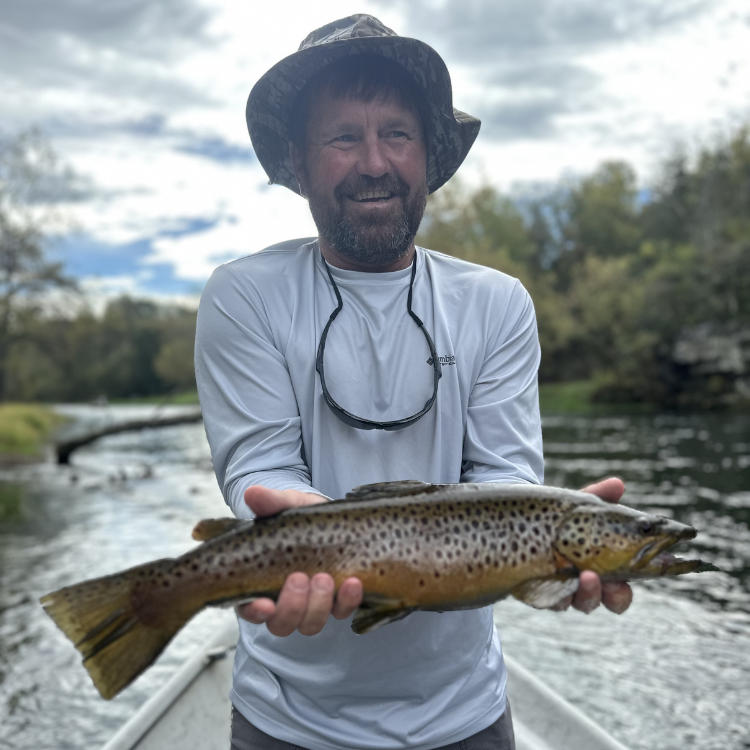
A float trip puts you in a drift boat with your guide rowing while you fish from a stable, seated position. You’ll cover a lot more water than you would on foot, which means more shots at fish holding in different types of structure throughout the day. It’s also a comfortable way to fish if standing in current for hours isn’t appealing, or if you’re newer to fly casting and want fewer variables to manage.
Wade Trips
Wade trips put you directly in the river, working specific runs and pockets on foot alongside your guide. You’re closer to the water, moving more deliberately, and often making more technical, precise casts into tighter windows. It’s a slower pace than floating, and it rewards anglers who want to really work a piece of water instead of covering a lot of ground.
Neither one is the “real” way to fish the South Holston. They’re just different tools for different days.
How Water Conditions Drive the Decision
This is where the South Holston gets interesting, and where a lot of first-time visitors get surprised.
Why TVA Generation Matters Here
The South Holston is a tailwater, which means water levels are controlled by releases from the dam upstream. Those releases can change during the day, and they directly affect both safety and fishability. This isn’t something you want to guess on your own. Current generation information is available directly from TVA, and it’s worth checking before any trip, whether you’re fishing with a guide or on your own. We’d rather be upfront about this than pretend the river behaves the same way every day. It doesn’t, and treating it like it does is how people get caught off guard.
When Higher Water Points Toward a Float
When generation is up and the river is running higher and faster, wading becomes more difficult and, in some conditions, unsafe. This is usually when a float trip makes the most sense. A drift boat lets you keep fishing productively and safely even when the water isn’t cooperative for foot access. You’ll also often find fish more willing to eat during higher flows, since they’re less spooky and more focused on feeding.
When Lower, Stable Water Opens Up Wading
When the river settles into lower, more stable flows, wading becomes both safer and more effective. You can get into position on specific runs, watch for rising fish, and make more deliberate presentations. This is typically when the technical side of South Holston fishing really shows up, since low, clear water tends to make fish more selective and more aware of a sloppy cast.
Your guide is watching this in real time and adjusting the plan accordingly. That’s part of what you’re paying for.
Who Each Trip Type Is Actually Built For
Some of this comes down to conditions, but a lot of it comes down to what kind of day you want.
Float Trips Fit Well For
- Beginners who want a lower-pressure introduction to fly or spin fishing
- Families or groups who want to fish comfortably without long hours on their feet
- Anglers who want to see and fish a lot of different water in one day
If you’re not sure where to start, our guided services page breaks down what a typical float day looks like from start to finish.
Wade Trips Fit Well For
- Anglers who want a more hands-on, technical experience
- Experienced fly fishers who enjoy working a specific run thoroughly
- Anyone who wants a slower pace and more direct connection to the water
Neither option requires prior experience. Casting instruction is included either way, so the choice comes down to conditions and what sounds like a better day to you, not what you think you’re “supposed” to pick.
What’s Included Either Way
Whether you float or wade, the trip is built the same way underneath. Rods and tackle are provided, along with casting instruction and a briefing on what’s currently hatching so you understand why you’re fishing the flies you’re fishing, not just tying them on because your guide said so. Snacks are included on half-day trips, and lunch is included on full-day trips. You can also choose fly fishing or conventional spinning tackle for either trip type, so the float vs wade decision isn’t tied to what kind of gear you want to use.
For a closer look at what’s provided on the water, our provisions page lays out the full list.
A Guide’s Perspective: How River Run Decides
Here’s how this actually plays out on a real trip morning. A guide checks current river conditions first, not preference. From there, the conversation with you matters just as much. Are you comfortable wading in current? Do you want to cover a lot of water, or work a smaller stretch carefully? Is this your first time fly fishing, or have you fished tailwaters before?
A common misconception is that wading is the more “serious” or advanced option, and floating is the easier fallback. That’s not really accurate. Some of the most technical, demanding fishing on the South Holston happens from a drift boat during a tricky hatch, and some of the most relaxed days happen wading a slow, stable run. The trip type doesn’t determine the difficulty. Conditions and technique do.
If you’re planning around a specific hatch window, our hatch chart guide is a good starting point for timing your trip.
Pricing and What to Expect
Float trips run $600 for a full day and $450 for a half day, booked for one to two anglers. Wade trips run $500 for a full day and $400 for a half day, also for one to two anglers. Both require a $100 non-refundable deposit per boat, with the remaining balance due after the trip.
If you’re not sure which one fits your group before booking, that’s a normal question, and it’s one we’re happy to talk through based on current conditions and what you’re hoping to get out of the day.
FAQ
Is float or wade fishing better for beginners on the South Holston?
Float trips tend to be a more comfortable starting point for total beginners since there’s less to manage physically. That said, wade trips work fine for beginners too, especially in lower, calmer water. Your guide can help you decide based on current conditions and your comfort level.
Can I switch between float and wade fishing during the same trip?
Many float trips include time getting out of the boat to wade fish specific runs, so you often get a mix of both in a single day. It depends on conditions and how the day is going.
Does TVA water generation affect wade trips more than float trips?
Yes, generally. Higher generation makes wading more difficult and can limit access to certain areas, while float trips can usually adapt to a wider range of water levels. Checking current conditions ahead of time is always a good idea.
Do I need to bring my own gear for a float or wade trip?
No. Rods, tackle, and instruction are included on every trip regardless of which type you book. You’re welcome to bring your own gear if you prefer to fish with it.
Which trip type is better for fly fishing versus spin fishing?
Both fly and conventional spinning tackle work on either trip type. The float vs wade decision is really about water conditions and pace, not which kind of tackle you’re using.
How far in advance should I book a float trip versus a wade trip?
Both trip types can fill up during peak season, particularly around strong hatch windows. Booking a few weeks ahead is a reasonable target, though last-minute openings do happen depending on the week.
Choosing the Right Day on the Water
Float and wade fishing on the South Holston aren’t competing options. They’re two ways of reading the same river, and the right one depends on what the water is doing and what kind of day you’re after. That’s really the whole point of fishing with a guide who knows this tailwater. You’re not left guessing based on a blog post you read the night before. You show up, and the decision gets made based on real conditions and a real conversation about what you want.
If you’re ready to plan a trip, reach out and we’ll help figure out whether a float or wade day fits best once we know your dates and what you’re hoping to get out of it.re out when to book based on what you’re actually hoping to get out of the trip.
